Regional anesthesia
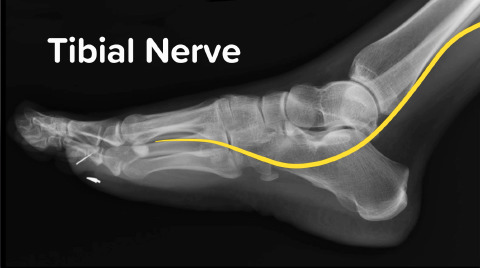
Posterior Tibial Nerve Block
Dr. Jacob Avila walks us through how to anesthetize the distribution of the posterior tibial nerve.
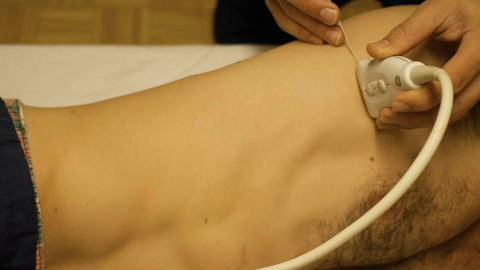
Ultrasound Guided Serratus Anterior Nerve Block
Dr. Avila teaches the approach to ultrasound guided serratus anterior nerve blocks. This block can be used for pain management in patients with rib fractures. Remember the maximum dose of bupivacaine (a common long acting local anesthetic) is 2.5 mg/kg. A concentration of 0.5% bupivacaine is 5 mg/ml, and 0.25% is 2.5 mg/ml. You will need to use approximately 30 ml to have enough volume to adequately bathe the nerve. A dilution may be needed, as described at the end of the video.
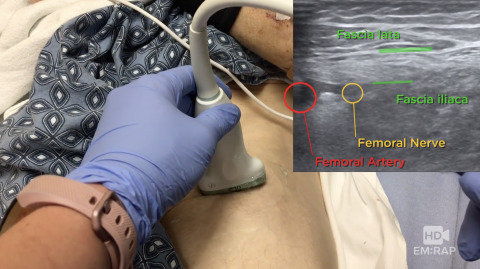
Fascia Iliaca Compartment Block
In this short video we review the anatomy and approach to a fascia iliaca compartment block, which aims to block the femoral nerve, obturator nerve, and lateral femoral cutaneous nerve (also called a 3 in 1 block). This is a great block for patients with fractures of the femoral neck, intertrochanteric fractures, or proximal femur fractures. Pain is better controlled with nerve blocks and less opiates are required when this approach is used for hip fractures. This can be done with ultrasound guidance, or with a blind technique. Once the needle is through the fascia lata and fascia iliaca, the anesthetic is injected to dissect the iliacus muscle off the fascia iliaca, and the anesthetic tracks proximally up the fascial plane to anesthetize all 3 nerves (at least in theory!).