Featured Daily Dose
Daily Dose delivers emergency medicine pearls twice a week—fast, focused, and high-yield tips you can put into practice right away.

Daily Dose 2026 September 22: How to Deactivate an ICD in the ED
When should you deactivate an ICD, and what if you can't find the manufacturer's magnet? Learn when it's appropriate, practical alternatives that may work in a pinch, and the key safety step to take before turning off defibrillation.

Daily Dose 2026 September 15: Improving Pediatric Appendicitis Diagnosis
Can the pARC score help interpret equivocal appendix ultrasounds? Cody reviews new data on combining ultrasound findings with clinical risk to improve decision-making in children with suspected appendicitis.

Daily Dose 2026 September 8: IVC Ultrasound for Volume Status?
Can the IVC really tell you who needs fluids? Swami explains why volume assessment requires more than a single ultrasound measurement and how to integrate IVC findings into the bigger clinical picture.

Daily Dose 2026 September 4: Antibiotics for Cirrhotic GI Bleeds?
Should prophylactic antibiotics remain standard for cirrhotic patients with upper GI bleeds? Cody breaks down the latest evidence, its limitations, and why current guidelines haven't changed.

Daily Dose 2026 September 1: SCAPE
How do you rapidly identify and treat a patient in SCAPE? Swami reviews the three keys to management that turn these patients around fast.

Daily Dose 2026 August 28: Should Kids Go Home With Zofran?
Does prescribing ondansetron after an ED visit for pediatric gastroenteritis improve outcomes? Review the evidence on outpatient Zofran use, including what it means for safety, symptom control, and return visits.
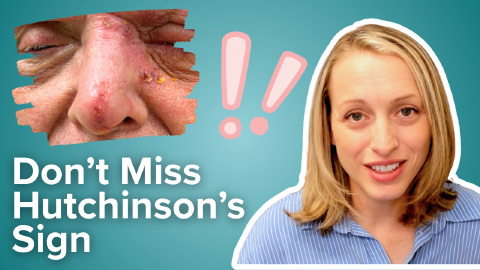
Daily Dose 2026 August 25: Don’t Miss Hutchinson’s Sign
Most shingles cases are straightforward, but Hutchinson’s sign changes the game. Learn why vesicles on the tip of the nose should raise concern for ocular involvement and prompt urgent ophthalmology follow-up.

Daily Dose 2026 August 21: THC, Coffee, & Your Heart
Can THC increase the risk of acute coronary syndrome? And is coffee actually good for your heart? Swami breaks down the latest evidence on two everyday habits that may change the way you think about cardiovascular risk.

Daily Dose 2026 August 18: Pediatric Rash Challenge
A 4-year-old presents with six days of fever, a diffuse rash, conjunctivitis, swollen hands, and cervical lymphadenopathy...what's your diagnosis? Test your pediatric pattern recognition, then review the key workup and management for this case.
Daily Dose 2026 August 14: Rethinking Chronic Pain
Chronic pain and opioid addiction often overlap, making ED management challenging. Chris explains the opioid harm spectrum and shares practical strategies to treat pain while minimizing long-term harm.
Daily Dose 2026 August 11: High-Yield Cardiac Arrest Pearls
From leaving a well-functioning supraglottic airway in place to recognizing occult ventricular fibrillation and considering naloxone during arrest, this quick review highlights three practical pearls that can improve your cardiac arrest management.
Daily Dose 2026 August 7: Renal Dysfunction and D-Dimer
An elevated D-dimer doesn't always mean the same thing in patients with renal impairment. Learn why kidney dysfunction can increase false-positive results, how to interpret a normal versus elevated D-dimer, and why proposed higher cutoff values still aren't ready for routine practice.

Daily Dose 2026 August 4: Safe ED Cardioversion for AFib
Can you safely cardiovert atrial fibrillation in the ED without an echo or anticoagulation? Swami reviews the latest approach to risk stratification, timing, and which patients can be safely converted.

Daily Dose 2026 July 31: A Rare Cause of Syncope
When evaluating syncope, ruling out dangerous cardiac causes is always the priority. But sometimes the diagnosis lies outside the usual differential. This case highlights an unusual cause of syncope and serves as a reminder to keep an open mind when the workup doesn't fit the clinical picture.
Daily Dose 2026 July 28: Tamponade: Full, Fast & Squeeze
Managing cardiac tamponade before pericardiocentesis? Swami shares the simple "Full, Fast & Squeeze" approach to optimize preload, heart rate, and perfusion while preparing for definitive treatment.

Daily Dose 2026 July 24: IV Antibiotics Before Discharge?
Do patients with pyelonephritis need IV antibiotics before heading home? This quick review covers current recommendations, when IV ceftriaxone may still be beneficial, and why local antibiograms should guide your antibiotic choices.

Daily Dose 2026 July 21: Orthostatics Explained
Orthostatic vital signs are commonly ordered, but how much do they actually help? This quick review covers how to perform them correctly and why history and clinical judgment often matter more than the numbers.
Daily Dose 2026 July 17: Are Your Pulse Checks Taking Too Long?
During cardiac arrest, every second off the chest matters, but pulse checks often take longer than we realize. Learn why pulse assessment can be challenging in pediatric patients, review strategies to improve accuracy, and discover how ultrasound can help minimize interruptions in high-quality CPR.

Daily Dose 2026 July 14: When Does Extremity Trauma Need a CTA?
Not every extremity injury requires a CT angiogram. Learn how the ankle-brachial index (ABI) can help identify occult vascular injuries and guide imaging decisions when the diagnosis isn't obvious.
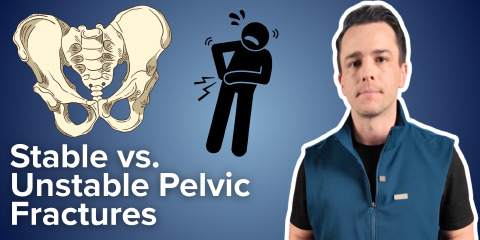
Daily Dose 2026 July 10: Stable vs. Unstable Pelvic Fractures
Chris breaks down the key differences between stable and unstable pelvic ring injuries, reviews common fracture patterns, and explains why a normal x-ray doesn’t always rule out significant injury. Learn when to maintain a high index of suspicion and when a CT scan may be the next best step.

Daily Dose 2026 July 7: Post-Arrest Care Pearls
In this Crit Bits recap, Swami shares three practical takeaways to help guide your post-arrest management and avoid unnecessary interventions.
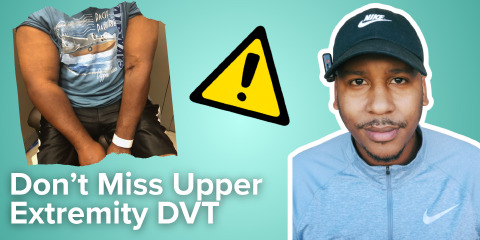
Daily Dose 2026 July 3: Don’t Miss Upper Extremity DVT
Unilateral arm swelling? Upper extremity DVT should stay on your differential. This case highlights a healthy 25-year-old athlete diagnosed with thoracic outlet syndrome causing an upper extremity DVT, an important reminder to think beyond cellulitis or overuse injuries. Key pearl: keep your differential broad and consider ultrasound early in the workup.
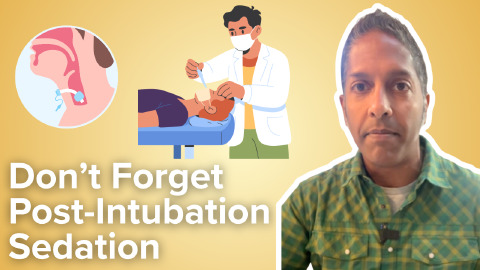
Daily Dose 2026 June 30: Don’t Forget Post-Intubation Sedation
The tube is in…now what? Post-intubation sedation and analgesia should be part of every airway routine, not an afterthought. One simple trick: when calling for RSI meds, also call for your sedation and pain management medications at the same time. Build it into your checklist so your patient is comfortable, sedated, and cared for immediately after intubation.

Daily Dose 2026 June 23: Red Man Syndrome or Allergy?
A patient develops flushing and itching after vancomycin… but is it a true allergic reaction? Jess reviews the difference between Red Man Syndrome (histamine-mediated) and an IgE-mediated allergic reaction, plus the bedside clues that can help you tell them apart.
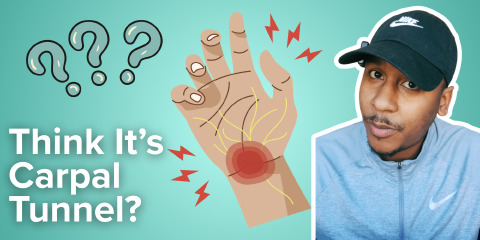
Daily Dose 2026 June 19: Think It’s Carpal Tunnel?
Numbness and tingling in the median nerve distribution may sound like classic carpal tunnel syndrome, but trauma changes the workup. Review key exam maneuvers like Phalen’s and Tinel’s, common risk factors, and why traumatic presentations should prompt x-rays to rule out carpal bone dislocation.

Daily Dose 2026 June 16: High Altitude Illness
A quick review of the 3 major high altitude illnesses: acute mountain sickness (AMS), high altitude cerebral edema (HACE), and high altitude pulmonary edema (HAPE). Key pearl: once neurologic symptoms appear, it’s no longer simple mountain sickness. And remember, HAPE is the leading cause of altitude-related death. Treatment priorities? Descent, oxygen, and knowing when to use acetazolamide, dexamethasone, or nifedipine.
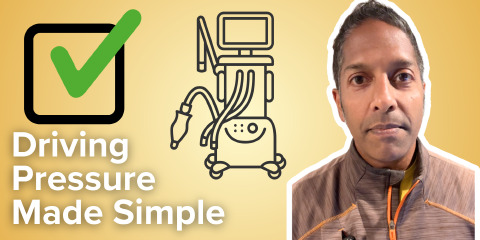
Daily Dose 2026 June 12: Driving Pressure Made Simple
Driving Pressure = Plateau Pressure − PEEP. Keeping this value below 13–15 mmHg may help reduce ventilator-induced lung injury. Learn how to recognize high driving pressures and the early vent adjustments that can help.
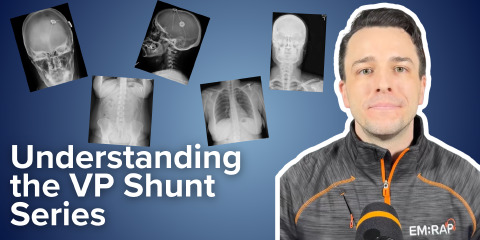
Daily Dose 2026 June 5: Understanding the VP Shunt Series
New headache, neuro changes, or encephalopathy in a patient with a VP shunt? It’s time to think shunt series + CT head. Chris Reilly walks through how to systematically evaluate a VP shunt from skull to peritoneum, looking for kinks, fractures, migration, disconnections, and obstruction along the way.
Daily Dose 2026 June 2: Entrapped Zipper Injury
When mineral oil and textbook tricks fail, this zipper release technique using pliers + a flathead screwdriver can make all the difference. Learn how to safely disengage the slider, reduce movement, and free the tissue quickly while keeping analgesia and sedation options in mind.

Daily Dose 2026 May 29: Expedited Partner Therapy: Beyond the Patient
With STI rates climbing, expedited partner therapy (EPT) is a powerful tool to close the treatment gap. Cody breaks down when and how to use EPT, key safety considerations, and what you need to know about state-specific regulations.
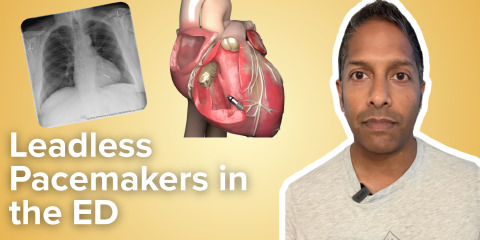
Daily Dose 2026 May 26: Leadless Pacemakers in the ED
Seeing more leadless pacemakers in your ED? Learn the key pearls: these devices pace but don’t defibrillate, standard pacing still applies if they fail, and MRI is possible, but only after switching to MRI mode.
Daily Dose 2026 May 21: BRUE Decision Points
A brief, resolved, unexplained event can be terrifying, but management hinges on careful history, exam, and risk stratification. Knowing who is truly low risk helps guide safe disposition and reassurance.

Daily Dose 2026 May 19: Creating Safe Spaces for Transgender Patients
Jessie shares simple but impactful ways healthcare providers can help transgender patients feel respected, safe, and supported in the emergency department.
Daily Dose 2026 May 12: Urinary Retention Red Flags
Relieving obstruction is just the first step. Understanding the cause is critical. From medications to serious neurologic pathology, urinary retention can signal much more than a simple blockage.

Daily Dose 2026 May 8: Flu Treatment: What Actually Works?
Antivirals for influenza are widely used, but who actually benefits? Here’s a breakdown of the different options, what the latest evidence shows, and why shared decision-making is key when considering treatment.
Daily Dose 2026 May 5: Respiratory Support Showdown
High-flow nasal cannula and BiPAP both have their place, and knowing when to use each is key. Match the modality to the severity of illness to optimize support and avoid unnecessary intubation.
Daily Dose 2026 May 1: Not Just Abdominal Pain
In young males with abdominal pain, skipping the GU exam can mean missing a time-sensitive diagnosis. A quick, thorough exam can make all the difference.
Daily Dose 2026 April 28: Pediatric Pneumonia Pearls
Most pediatric pneumonia is viral and treated supportively, but knowing when to suspect bacterial causes, skip unnecessary tests, and recognize atypical presentations is key.

Daily Dose 2026 April 24: Choosing Your RSI Paralytic
Rocuronium or succinylcholine for RSI? With proper dosing and the option for reversal, the conversation may be shifting. Here’s what you need to know before you push.
Daily Dose 2026 April 21: PE in Pregnancy: What’s Your Next Move?
Pregnant patient with concerning symptoms: do you go straight to imaging or start with a D-dimer? The YEARS algorithm offers a practical, evidence-based way to risk stratify and guide your next step.

Daily Dose 2026 April 17: CTA or Not CTA?
The aortic dissection detection risk score helps identify low-risk patients who may not need immediate CTA. Pair it with a D-dimer in the right scenario, but remember, high-risk patients still go straight to imaging.

Daily Dose 2026 April 14: The Safety of Ketamine, Proven Again
In over 12,000 pediatric ED sedations, ketamine proved extremely safe with critical events nearly nonexistent and no intubations required. Rare complications can occur, but with proper preparation, outcomes remain excellent.

Daily Dose 2026 April 10: A Simple Fix for Painful Jaw Wires
Patients with intermaxillary wires can develop painful mucosal irritation, but there’s an easy ED hack. Bone wax (yes, the OR staple) can be molded over wires to reduce friction and provide quick relief. Just don’t use it if a patient has a bee allergy!

Daily Dose 2026 April 7: Syncope ECG: Don’t Miss These
A quick, high-yield approach to ECGs in syncope covering the must-know categories: structural disease, interval abnormalities, and channelopathies. Spot the key findings that can point to life-threatening causes before they’re missed.
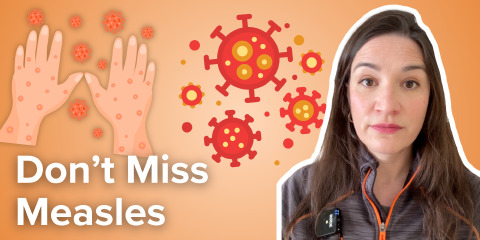
Daily Dose 2026 April 3: Don’t Miss Measles
Measles is back and it’s one of the most contagious airborne illnesses we encounter. Recognize the prodrome, spot the rash pattern, isolate immediately, and involve public health early to prevent widespread exposure in your department.

Daily Dose 2026 March 31: When a Caffeine Boost Becomes Dangerous
Caffeine powders and pouches pack surprisingly high doses, with toxicity starting around 10–15 mg/kg and life-threatening effects at higher levels. From nausea and tremors to seizures and ventricular dysrhythmias, early recognition and supportive care (including dialysis in severe cases) are key, especially as these products become more accessible to kids.

Daily Dose 2026 March 27: Pacemakers and AICDs in the ED
Pacemaker or AICD patient in your ED? Know when to interrogate, when to grab the magnet, and when to escalate to transcutaneous or transvenous pacing. Review key steps for unstable bradycardia, how to confirm true capture, and smart disposition decisions for patients after ICD shocks.
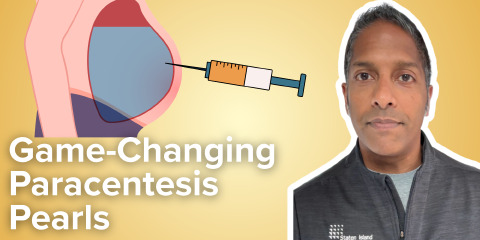
Daily Dose 2026 March 24: Game-Changing Paracentesis Pearls
From having a low threshold for diagnostic taps in ascitic patients to a suction setup hack and when to give albumin after large-volume drainage, these three practical pearls can immediately level up your next paracentesis.

Daily Dose 2026 March 20: Ear Lacerations: Repair It Right
Ear lacerations demand careful technique. Cartilage depends on the overlying skin for blood supply, so meticulous closure is key. Use a tapered needle, absorbable sutures, and a bolster to protect the repair and prevent complications like cauliflower ear.
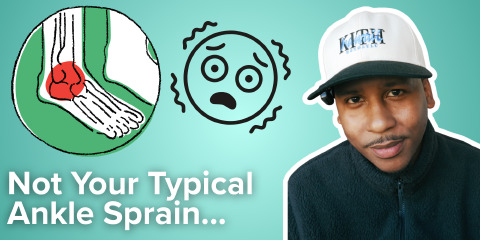
Daily Dose 2026 March 17: Not Your Typical Ankle Sprain…
High ankle sprains (syndesmotic injuries) can be subtle but carry significant consequences if missed. Review the key exam maneuvers, important X-ray findings, associated fracture patterns, and why you should always palpate up the leg to avoid missing a Maisonneuve fracture.
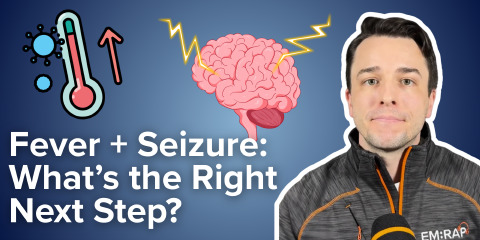
Daily Dose 2026 March 13: Fever + Seizure: What’s the Right Next Step?
A practical breakdown of febrile seizures: how to distinguish simple from complex, when to pursue a full workup and admission, and when reassurance, observation, and close follow-up are all that’s needed. Clear criteria, smart management, and key counseling points for parents.

Daily Dose 2026 March 10: AMA Doesn’t Mean Abandonment
When patients want to leave AMA, don’t take it personally. Focus on finding a safe alternative, provide meds and follow-up, and always keep the door open to return. A non-adversarial approach protects patients and often brings them back when they need it most.

Daily Dose 2026 March 6: Mastering the Vent in ARDS
A quick, practical breakdown of ARDS management—from the Berlin definition to lung-protective ventilation, PEEP titration, plateau pressure goals, and when to flip your patient prone to improve survival.

Daily Dose 2026 March 3: UTI Update: What’s Changed?
The IDSA has redefined uncomplicated vs. complicated UTIs—and the updates may shift how you categorize (and treat) your next patient. Here’s a quick breakdown of the new definitions and what they mean for management.

Daily Dose 2026 February 27: Blunt Cardiac Injury: The One You Might Miss
Blunt cardiac injury can be easy to overlook unless you know which trauma patterns should raise concern. This segment breaks down who needs screening, what tests actually matter, and how to interpret ECGs, troponins, and echoes in the real world.

Daily Dose 2026 February 24: MCQ: When the ECG Isn’t Straightforward
A patient with classic ischemic symptoms and a wide-complex ECG presents a diagnostic challenge when the usual STEMI patterns aren’t obvious. This case tests how you approach subtle but dangerous ECG findings when decisions can’t wait.

Daily Dose 2026 February 20: That Pop Was Your Achilles?!
What do rec basketball, men over 30, and a sudden pop have in common? Achilles tendon rupture. Know how to protect it in plantar flexion, keep it non-weight-bearing, and arrange timely ortho follow-up.
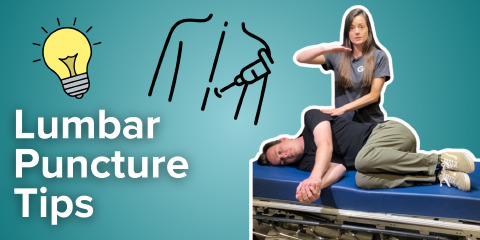
Daily Dose 2026 February 17: Lumbar Puncture Tips
Small positioning tweaks can make or break your LP. Britt walks through simple setup adjustments and a clever trick to improve landmark palpation and boost your success rate.
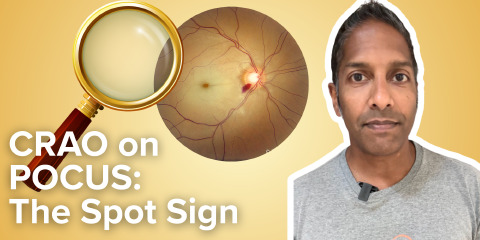
Daily Dose 2026 February 13: CRAO on POCUS: The Spot Sign
POCUS can help rule in central retinal artery occlusion with the highly specific “spot sign,” even if it can’t rule it out. It’s a fast bedside tool that can support the diagnosis and reveal alternative causes of acute vision loss.

Daily Dose 2026 February 10: Eyelid Lacerations: When to Repair vs Refer
Eyelid lacs can look intimidating, but a systematic approach makes them manageable. Do a full eye exam first—if there’s lid margin, fat prolapse, muscle, canalicular, or globe involvement, hit pause and call ophthalmology. If not, many can be safely repaired in the ED with careful technique.

Daily Dose 2026 February 6: Ectoparasites Made Simple: Lice vs Scabies
Lice and scabies may be itchy, but management doesn’t have to be complicated. Know how to recognize nits vs. burrows, when to use permethrin (and how), and who else needs treatment.

Daily Dose 2026 February 3: ILCOR Updates
Swami breaks down new ILCOR recommendations, from IV vs. IO access in cardiac arrest to calcium in hyperkalemia and the often-overlooked power of uterine massage in postpartum hemorrhage. Key takeaways, real-world perspective, and a few recommendations worth debating.

Daily Dose 2026 January 30: Acetaminophen Toxicity: Don’t Wait, Just Treat
From charcoal to nomograms to pregnancy-safe NAC, this fast breakdown covers the key decision points in acetaminophen toxicity. Check CorePendium for the deeper dive.
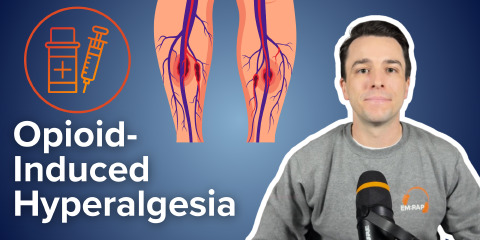
Daily Dose 2026 January 27: Opioid-Induced Hyperalgesia
Long-term opioid use can actually increase a patient’s pain sensitivity, something Dr. Reuben Strayer breaks down in October’s EM:RAP episode. Learn how opioid-induced hyperalgesia happens and why thoughtful prescribing and outpatient strategies matter.

Daily Dose 2026 January 20: Escharotomy in the ED: What You Must Know
A quick refresher on when an escharotomy becomes necessary and why it’s rarely done in the ED as a solo procedure. Learn the key signs of circulatory or ventilatory compromise and why early recognition (with burn-team backup) matters.

Daily Dose 2026 January 16: MCQ: A Rhythm You Won’t Forget
A classic board-style case drops you into the moment with a patient whose symptoms and rhythm strip raise immediate concern. Follow the clues, trust your clinical instincts, and decide the next critical move.

Daily Dose 2026 January 13: Sorting Fact from Fear: Acetaminophen and Autism
The FDA’s recent label-change process for acetaminophen in pregnancy has sparked a lot of questions, but current evidence still supports its use when clinically appropriate. EM:RAP breaks down the data, the confounders, and why treating fever in pregnancy remains essential for fetal safety.
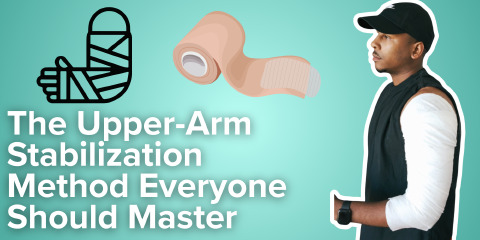
Daily Dose 2026 January 9: The Upper-Arm Stabilization Method You Should Master
For humeral shaft fractures, reach for a coaptation splint. Use plaster if possible for better molding, and make sure you pad the axilla well. The splint should run from the medial axilla, around a flexed elbow, and over the AC joint. Secure with a wrap and sling.