Cutaneous

Wound Prep

Suturing Techniques

Skin Stapler

Skin Glue (Tissue Adhesive)
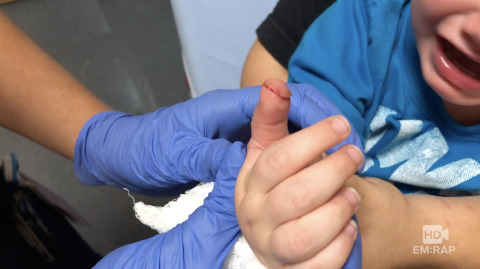
Tissue adhesive is a quick and easy method for laceration repair for superficial lacerations. Once the wound is cleaned, approximate the edges and apply a layer of glue on top. Wait about 1 mintue for it to dry. Presented by Jess Mason, MD and Whitney Johnson, MD.

Skin Tape and Glue for Wound Repair
For this wound we decided to attempt a no-sharps technique using tincture of benzoin on the sides of the wound (not in the wound), tape over the tincture of benzoin, then glue around and over the tape. Presented by Jess Mason, MD and Lisa Serpa, NP.

Hair Apposition Technique
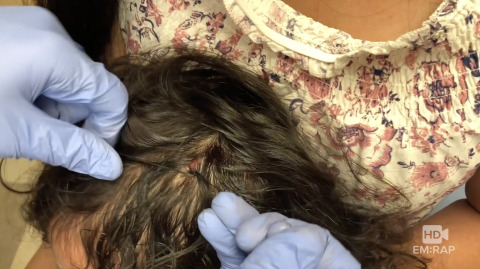
For simple scalp lacerations that have been cleaned, this technique involves twisting hairs together on opposite sides of the wound and applying skin glue for closure. No sharps needed! Presented by Jess Mason, MD.

Burn Wound Dressing
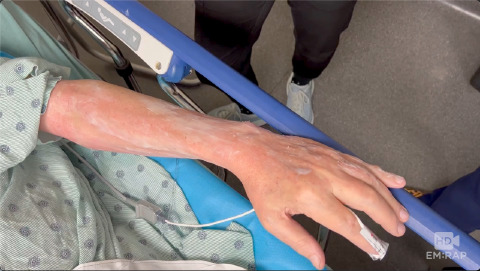
Once a partial thickness burn has been cleaned and debrided a dressing can be applied.

Hemostatic Pressure Dressing
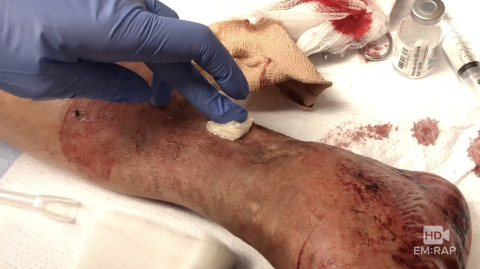
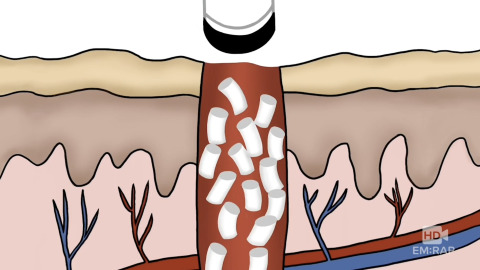
A topical hemostatic agent can be applied for areas with persistent venous oozing. You can form a pyramid pressure dressing by stacking larger and larger pieces of gauze over the site of the bleed, with a tight dressing on top. This focuses the pressure onto a smller surface area. Presented by Jess Mason, MD and Leann Mainis, MD.

X-Stat Device
A brief review of the X-Stat device for emergency wound management. This device is also discussed on EM:RAP December, 2020.

Tick Removal
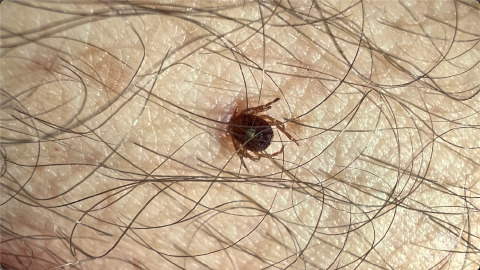
To remove an embedded tick, you need non-toothed forceps with blunt tips. NOT toothed forceps, which will crush and kill the tick when you grasp it, and then you’ll get retained parts. The goal is to extract the whole tick, alive.

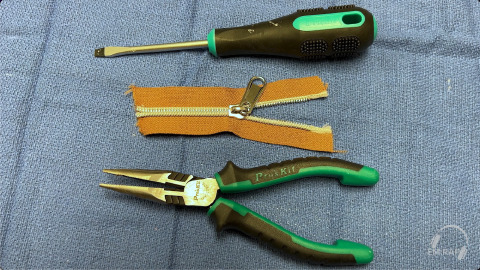
Zipper Removal for Skin Entrapment

Fish Hook Removal
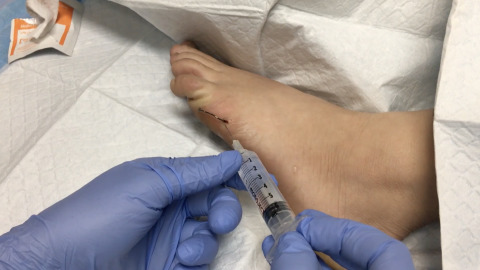
A technique for removing a fishhook using wire cutters. Presented by Drs. Jess Mason and Stephanie Benjamin at UCSF Fresno.